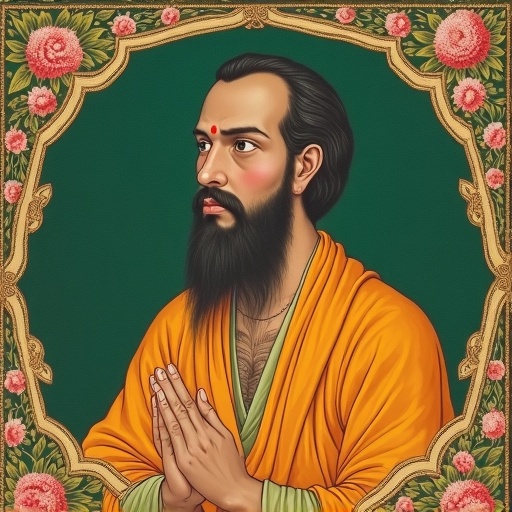
Patanjali
Maharishi Patanjali
c. 2nd century BCE • Indian
Compiler of the Yoga Sutras — the foundational text of classical yoga. In 196 terse aphorisms he mapped the structure of the mind, the eight limbs of practice, and the path to samadhi. His work has shaped two millennia of yogic practice.
Key Works
- Yoga Sutras (trans. Vivekananda 1896)
- Yoga Sutras (trans. Woods 1914)
117
quotes in library
Quotes by Patanjali
117 quotes“To know the seer apart from the mind is the goal of yoga.”
yogaYoga Sutras (Vivekananda commentary)
“Practice is the effort directed toward steadiness.”
practiceYoga Sutras 1.13 (Woods)
“All effort, when steady and reverent, becomes a foundation.”
foundationYoga Sutras 1.14 (Woods)
“Steadied through practice, the mind becomes capable of all things.”
steadinessYoga Sutras 1.40 (Vivekananda)
“Equanimity in pleasure and pain — there the seer rests.”
equanimityYoga Sutras (Vivekananda commentary)
“The wise see the same self in all beings, and all beings in the self.”
unityYoga Sutras 4 (Vivekananda commentary)
“That which appears as many is one, only seen through different lenses.”
unityYoga Sutras (Vivekananda commentary)
“In samadhi, knower and known are one.”
samadhiYoga Sutras 1.41
“This is the highest yoga — that which goes beyond all means.”
yogaYoga Sutras 4 (Vivekananda commentary)
“Liberation is when the gunas — having served their purpose — return to their source.”
liberationYoga Sutras 4.34
“Or — when consciousness rests in its own nature — that too is liberation.”
liberationYoga Sutras 4.34
“Desire is the root of suffering, but right desire leads to liberation.”
sufferingYoga Sutras
“The nature of the mind is such that it is purified by practice and made impure by negligence.”
meditationYoga Sutras, Book 1, Sutra 12
“The root of suffering is attachment.”
sufferingYoga Sutras
“Attachment is the root of suffering.”
sufferingYoga Sutras
“What we think, we become.”
consciousnessYoga Sutras
PreviousPage 6 of 6
Explore More Teachers
Discover wisdom from 500+ spiritual teachers across all traditions.
Browse All Teachers