The Dance of Surrender: Finding Peace Within
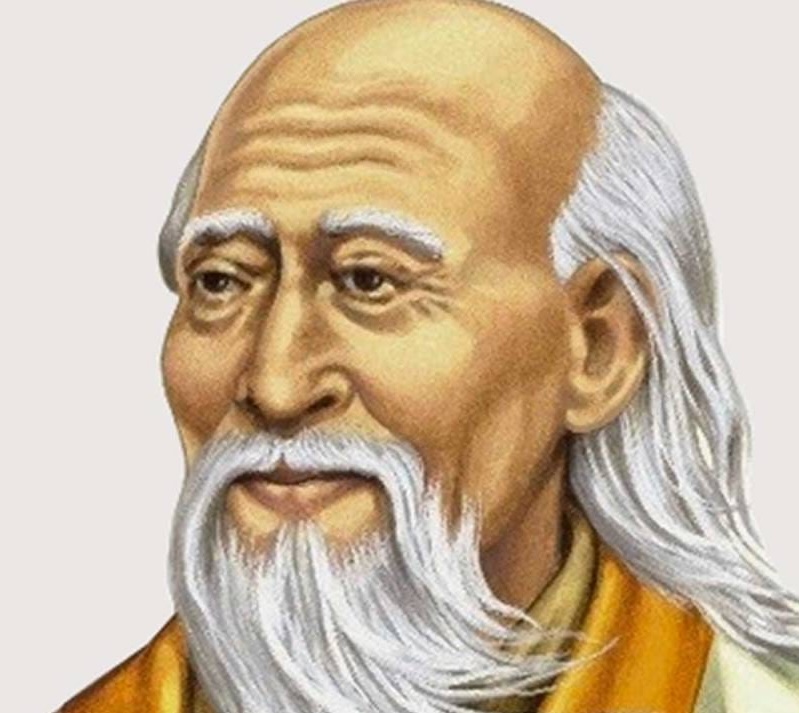
In the profound words of Lao Tzu, "To find peace, stop fighting with yourself." This simple yet powerful statement invites us to reflect on the internal battles we wage daily. The stakes are high: our mental and emotional well-being often hangs in the balance as we grapple with self-doubt, fear, and the relentless pursuit of perfection. To embrace this wisdom is to embark on a journey toward inner tranquility, a journey that requires us to relinquish the struggle against our own nature.
As we delve deeper into this teaching, we begin to understand that the essence of peace lies not in external circumstances but in the harmony we cultivate within ourselves. Lao Tzu's words challenge us to confront the discord that arises from our conflicting desires and self-judgments. By recognizing the futility of this inner conflict, we open ourselves to the possibility of surrender—a surrender that does not imply weakness but rather a profound acceptance of our true selves. This acceptance is the gateway to genuine peace.
The image / the metaphor
At first glance, the imagery in Lao Tzu's quote evokes a sense of struggle and resistance. The phrase "stop fighting" conjures up a vivid picture of an internal battlefield, where thoughts clash and emotions collide. The verbs chosen—"find" and "stop"—suggest an active pursuit of peace, yet they also imply a need to cease the very actions that obstruct our path. This duality captures the essence of our human experience: we often seek peace while simultaneously engaging in self-sabotage.
Diving deeper into the metaphor, we can see that the fight within ourselves is often a reflection of our attempts to control our circumstances and emotions. This struggle can manifest in various forms, such as anxiety over the future or regret about the past. By recognizing that this internal conflict is counterproductive, we can begin to understand that true peace arises from a state of surrender—an acceptance of what is, rather than a relentless push against it. In this light, the quote becomes a gentle reminder that peace is not a destination to be reached but a state of being to be cultivated.
In the speaker's tradition
Lao Tzu's wisdom is deeply rooted in the tradition of Taoism, a philosophy that emphasizes living in harmony with the Tao, or the natural way of the universe. Central to this tradition is the concept of wu wei, often translated as "non-action" or "effortless action." This principle encourages individuals to align themselves with the flow of life rather than resist it, echoing the sentiment of Lao Tzu's quote. By ceasing the internal struggle, we can embody wu wei, allowing life to unfold naturally without the weight of self-imposed conflict.
Moreover, the idea of surrender in Taoism resonates with the Buddhist concept of sunyata, or emptiness, which teaches that clinging to fixed notions of self leads to suffering. In the Tao Te Ching, Lao Tzu invites us to embrace the fluidity of existence, suggesting that when we let go of rigid attachments to our identities and desires, we create space for peace and wisdom to emerge. This interconnectedness of ideas across traditions highlights the universal truth that liberation from internal conflict is essential for spiritual growth.
Living the teaching
Consider a modern scenario where this teaching can be applied: a person grappling with the pressures of work and personal life. They may find themselves caught in a cycle of self-criticism, feeling inadequate despite their accomplishments. By recognizing the futility of this internal battle and choosing to embrace self-compassion, they can begin to cultivate a sense of peace. This shift in perspective allows them to approach their responsibilities with greater clarity and ease, transforming their experience from one of struggle to one of flow.
Another application of this teaching can be found in relationships, particularly during moments of conflict. When disagreements arise, individuals often engage in a mental tug-of-war, defending their positions while simultaneously feeling the weight of their emotions. By choosing to stop fighting with themselves—acknowledging their feelings without judgment—they can create space for open communication and understanding. This practice of surrender fosters deeper connections and nurtures a sense of peace within the relationship, illustrating the transformative power of Lao Tzu's wisdom.
A reflection
As we contemplate Lao Tzu's profound insight, we are invited to explore the nature of our own internal conflicts. What are the battles we wage within ourselves that prevent us from experiencing peace? In this moment of reflection, consider the ways in which surrendering to your true self might lead to a more harmonious existence. How might your life change if you chose to stop fighting with yourself and embraced the flow of your own being?


Join the BrightStar Community
Stay connected with daily inspiration, event announcements, and community wisdom