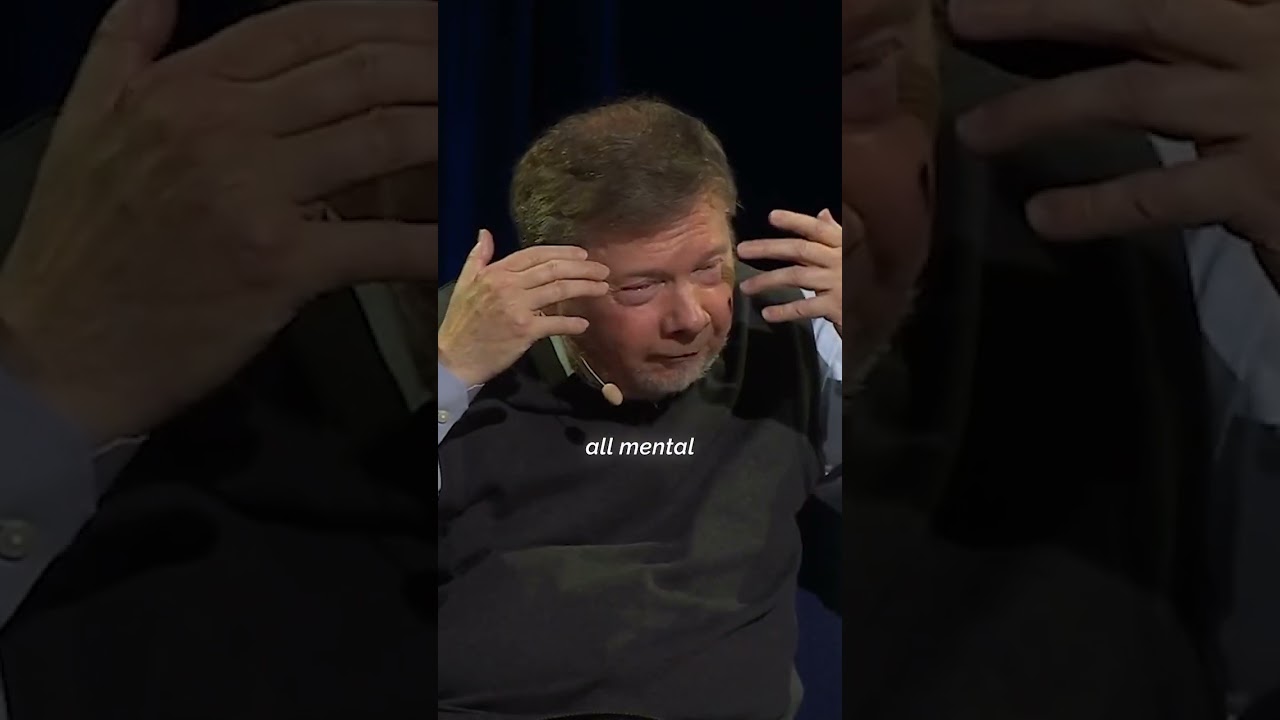
Eckhart Tolle explores how alcohol depresses consciousness and gives the "pain body"—his term for accumulated emotional wounds and unconscious reactivity—permission to dominate behavior and thought. Rather than viewing alcohol addiction through the lens of willpower or broken promises, Tolle argues that true change requires a shift in consciousness and awareness. Without genuine presence and understanding of why we reach for alcohol, external constraints or resolutions fail to address the root mechanism of self-destructive cycles.
What Is the Pain Body and How Does Alcohol Activate It?
Tolle's central concept in this teaching is the "pain body"—a term he uses to describe the accumulated psychological pain, trauma, and negative emotional patterns that exist within us largely outside conscious awareness. The pain body is not merely sadness or hurt; it is an entire structure of unconscious reactivity, resentment, and self-perpetuating suffering that seeks to perpetuate itself.
When a person drinks alcohol, consciousness—the capacity to observe, choose, and respond with awareness—is chemically suppressed. This suppression leaves the pain body unchecked. Without the presence of conscious awareness, the pain body can fully dominate thoughts, emotions, and behavior. What emerges is not the true self, but a collection of unconscious patterns: blame, self-pity, aggression, self-sabotage, and emotional reactivity. In this state, a person acts not from their higher faculties but from wounded, conditioned patterns.
Tolle suggests that for many people, alcohol serves a dual function: it temporarily numbs the pain body's underlying discomfort while simultaneously allowing it to express itself without the restraint of consciousness. This paradox—simultaneous suppression and liberation of suffering—is what makes alcohol particularly dangerous as a coping mechanism.
Why Willpower and Promises Alone Cannot Solve Addiction
A critical insight Tolle emphasizes is that addiction cannot be solved through willpower or broken promises alone. Many people who struggle with alcohol attempt to quit by making resolutions—"I will not drink tomorrow," "I promise myself I will stop." Yet these promises consistently fail because they do not address the mechanism that drives the addiction in the first place.
The mechanism is consciousness itself. When someone operates from a diminished or unconscious state, willpower is a tool of the mind—and the mind, when unconscious, is largely powerless against the pull of the pain body. The pain body has its own logic and momentum. It craves the relief that alcohol provides, however temporary. A promise made from a conscious state may feel strong, but when the pain body activates (through stress, loneliness, shame, or triggered memories), that promise becomes a distant thought, overridden by the compulsion to self-medicate.
Tolle's argument is that sustainable change requires not better promises but deeper awareness. A person must become conscious of why they drink—not at an intellectual level, but at the level of lived recognition. They must observe their pain body in action: notice the impulse before reaching for alcohol, feel the emotions beneath the impulse, and recognize the unconscious patterns at play. Only through this kind of witnessing can genuine transformation occur.
How Consciousness Differs from Mere Intention
Intention and willpower operate within the domain of the thinking mind. Consciousness, in Tolle's framework, is something broader and deeper. It is the capacity to be present, to observe without judgment, and to recognize patterns as they unfold in real time. Consciousness does not force change through effort; it reveals the truth of what is happening, and through that revelation, transformation naturally emerges.
When someone becomes truly conscious of their pain body—of the specific wounded patterns that drive their drinking—they see the mechanism of their suffering directly. They recognize, perhaps for the first time, that the emotional pain they are trying to numb is not who they are; it is a structure within them that can be observed and understood. This shift from identification with the pain to witnessing the pain is itself transformative.
Tolle teaches that awareness itself is healing. You do not need to fight the pain body or white-knuckle your way through sobriety. Instead, you bring conscious presence to the suffering, and that presence gradually dissolves the unconscious grip of the pattern. This is why Tolle's approach differs sharply from shame-based or purely behavioral interventions that rely on suppression rather than understanding.
The Self-Perpetuating Cycle of Unconscious Drinking
Alcohol creates a vicious loop. A person drinks to escape emotional pain. The alcohol lowers consciousness, which normally would help regulate and contextualize that pain. With consciousness suppressed, the pain body runs the show, often leading to behavior the person later regrets—saying harsh things, making poor decisions, or deepening shame. That shame and regret then become part of the pain body's fuel, creating more emotional pain to numb. The next time emotional distress arises, the compulsion to drink intensifies.
This cycle is largely unconscious. The person may not fully recognize that they are drinking to avoid feeling specific emotions, or that each drinking episode reinforces the very patterns they are trying to escape. They may blame external circumstances, other people, or bad luck, without seeing their own role in perpetuating the cycle.
Tolle's point is that breaking this cycle requires interrupting consciousness at every point—not just when the person decides to quit, but in the moments leading up to the urge to drink. What feelings are present? What memory or wound is being triggered? What does the pain body want to express or numb? When these questions are met with honest, present awareness rather than automatic reaction, the cycle begins to loosen.
What Happens to Decision-Making and Responsibility Under Alcohol's Influence?
When consciousness is lowered by alcohol, the capacity for genuine decision-making and moral responsibility diminishes. This is not just about impaired judgment in the moment. It is about the loss of the very faculty that allows a person to make choices aligned with their deeper values and long-term wellbeing.
Under the influence, people often do things they would not do if conscious. They may be unaware of how their words hurt others, or they may suppress that awareness. They may engage in self-sabotaging behavior without recognizing the pattern. The tragedy is that the person may wake the next day with deep regret, yet the fundamental mechanism—the suppression of consciousness and the dominance of the pain body—remains unchanged. Without addressing that mechanism, regret alone will not prevent the behavior from repeating.
This is where Tolle's teaching moves beyond blame. It is not that the person is fundamentally bad or weak. It is that consciousness has been chemically lowered, and the pain body fills that void. Understanding this mechanism is far more useful than shame, because it points toward the actual solution: returning to consciousness.
The Role of Presence in Breaking Addiction Patterns
Tolle emphasizes presence—being fully aware and alive in the present moment—as the antidote to addiction. Presence is the opposite of the dissociation and numbing that alcohol provides. When a person is truly present, they are in contact with their actual experience: their breath, their body sensations, the reality around them, and the emotions moving through them.
The pain body thrives in absence. It feeds on rumination about the past (regret, blame, resentment) and anxiety about the future (fear, worry, catastrophizing). When a person is fully present in the now, the pain body loses its primary fuel. Moreover, presence allows a person to feel difficult emotions without needing to numb them. This is not about stoicism or suppressing feelings. It is about allowing feelings to move through you, felt fully, without the need to escape or obliterate them.
In the state of presence, the impulse to drink can be observed without judgment. The urge arises, yes, but it is not automatically acted upon. There is space between the impulse and the action—and in that space is freedom and choice. This is what consciousness provides that willpower alone cannot.
Where to Go From Here
If you find yourself struggling with alcohol or any addictive pattern, Tolle's teaching suggests beginning with awareness rather than force. Notice without judgment when the urge to drink arises. What emotion or sensation precedes it? What is the pain body trying to avoid or express? Bring curious, compassionate attention to these moments rather than shame or resistance.
Develop a practice of presence—through meditation, mindful breathing, or simply pausing to feel your body and surroundings throughout the day. The more you strengthen your capacity to be present, the more naturally consciousness will return when the urge to drink emerges. You are not fighting the pain body; you are illuminating it with awareness, and in that illumination, transformation gradually unfolds.