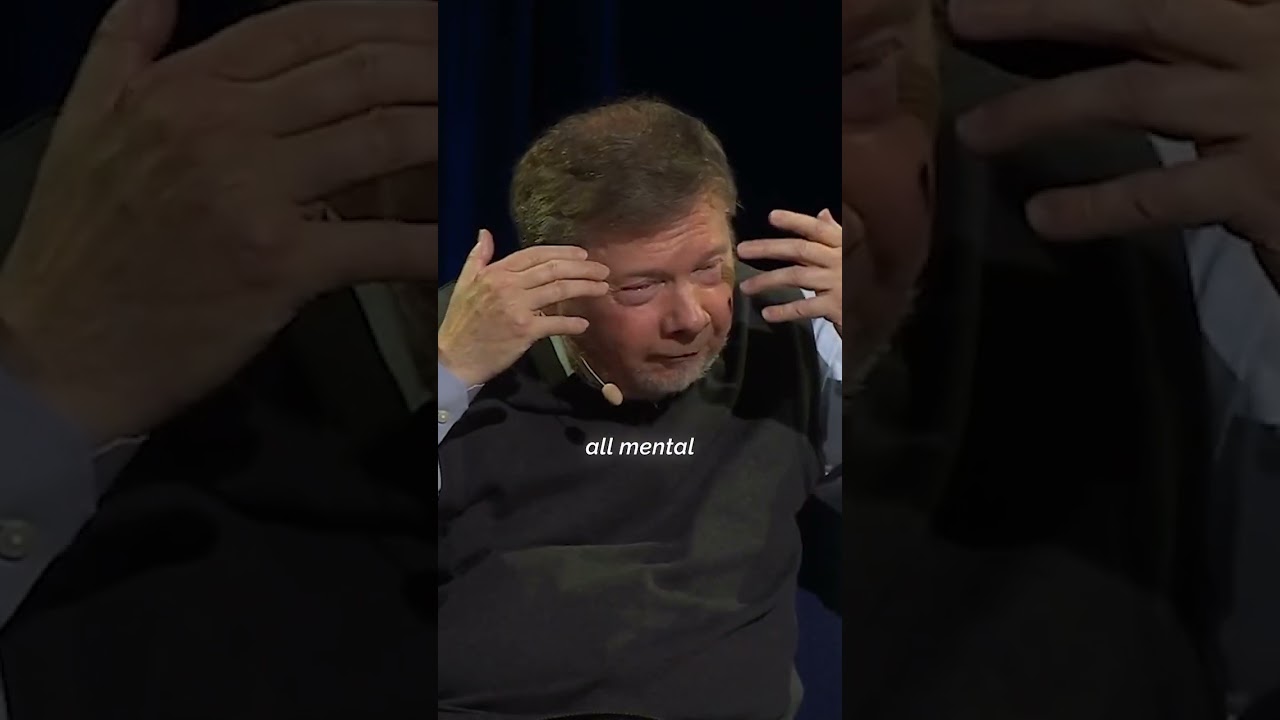
The ego doesn't only seek pleasure—it can hijack suffering itself as a way to feel distinct and worthy of attention. When misery becomes an identity, the ego uses pain as proof of its specialness, creating a psychological trap where the self becomes invested in remaining unhappy. This mechanism operates largely unconsciously, but recognizing it is the first step toward freedom from the pain body.
How the Ego Weaponizes Suffering
The conventional understanding of the ego assumes it seeks only comfort and positive experiences. But one of the most insidious operations of the ego is its ability to appropriate pain itself. Rather than resolve suffering, the ego can appropriate it as a tool for identity-building. When you suffer, especially visibly, you often receive attention, sympathy, and a sense of being special. The ego, which fundamentally seeks recognition and differentiation from others, learns to exploit this dynamic.
Suffering becomes a form of currency in the attention economy of the ego. A person who has endured hardship, recovered from illness, or survived trauma gains a particular kind of status—the status of the survivor, the fighter, the one who has been through something. This is not necessarily bad in itself, but when the ego becomes invested in maintaining this identity, it begins to resist healing. The person unconsciously refuses to let go of the pain because doing so would mean losing the identity that has become central to how they see themselves and how they imagine others see them.
What Does It Mean When Pain Becomes an Identity?
Identity formation through suffering operates on a simple principle: if you are miserable, you are *somebody*. You have a story. You have depth. You have a reason for behaving the way you do, for your limitations, for your failures. A life without struggle can feel insignificant, empty, or ordinary. But a life shaped by hardship feels *meaningful*. The ego seizes on this because meaningfulness, however painful, feels better than invisibility.
This is why many people unconsciously protect their pain. They may seek therapy or support, but they do so in a way that keeps the wound alive. They tell the story of their suffering repeatedly, refine it, add details. They ensure that anyone who knows them also knows about their pain. In doing so, they are not primarily seeking healing—they are seeking acknowledgment of their specialness through their ordeal.
The mechanism is largely invisible to the person caught in it. They experience themselves as wanting to heal while simultaneously, at a deeper level, resisting any change that would strip away their painful identity. This creates internal contradiction: the conscious wish to feel better paired with an unconscious investment in remaining unwell.
Why Does Suffering Bring Attention?
Human beings are naturally drawn to suffering. We feel compassion. We offer support. We show interest and concern. From a child's perspective, suffering is one of the most reliable ways to receive parental attention and care. If you are well, healthy, and thriving, you are largely invisible. If you are sick, hurt, or struggling, you become the center of focus. This conditioning runs deep.
As adults, this pattern persists, often unconsciously. Someone who is always in crisis, always struggling, always dealing with some illness or hardship, receives more attention and concern than someone who is simply living an ordinary, healthy life. The ego, which is always seeking validation and recognition, learns this lesson early and clings to it. Misery becomes a more reliable generator of attention than achievement or virtue.
This is compounded by the fact that many spiritual traditions and therapeutic frameworks valorize suffering as the path to growth. The person who has suffered is seen as deeper, wiser, more authentic than the person who has not. Suffering is reframed as necessary, even noble. The ego, sensing this cultural blessing, becomes even more invested in maintaining its painful identity.
The Trap of the Pain Body
Eckhart Tolle, in his teachings, describes what he calls the "pain body"—the accumulation of unprocessed pain stored in the body and psyche. The pain body wants to survive and perpetuate itself. It will seek situations, thoughts, and relationships that activate and reinforce it. In this way, the pain body and the ego become partners. The ego uses the pain body to feel real and special, while the pain body uses the ego's identity-structure to ensure its own survival.
Once this alliance is formed, healing becomes complicated. The person may sincerely want to feel better, but every movement toward health threatens the identity structure that has become familiar. The loss of the identity feels like death. What would you be without your struggle? Who would you be if you were simply ordinary, healthy, and at peace? These questions trigger existential anxiety, and the ego often responds by pulling you back into familiar suffering.
The person may notice that when things start to improve, they unconsciously sabotage themselves. They may pick fights, reactivate old patterns, or unconsciously pursue situations that recreate their pain. This is not conscious self-harm; it is the ego protecting its identity.
Recognizing the Pattern
The first step out of this trap is recognizing it without judgment. Notice when you are telling your suffering story. Notice how it feels to be seen as someone who has suffered. Notice whether there is a subtle pleasure in the recognition. Notice whether you resist change that would diminish your identity as a sufferer. This observation itself, without the added layer of guilt or self-condemnation, begins to create space between you and the pattern.
The ego thrives on the energy it can extract from your attention. When you observe the pattern without engaging with it emotionally, you are withdrawing that energy. You are no longer unconsciously reinforcing the identification with suffering. This shift is subtle but significant.
Another marker of this pattern is the presence of pride in your suffering. If you notice yourself emphasizing how much you have endured, how strong you have had to be, how others could never understand what you have been through, these are signs that the ego has identified with pain. Pride in suffering is a reliable indicator that the pain body and the ego are working together.
The Difference Between Healing and Transcendence
True healing is not about replacing a painful identity with a triumphant one. It is not about becoming "the person who overcame." That is still the ego at work, simply wearing a different mask. Genuine healing involves releasing the identification with narrative altogether—with both the story of victimhood and the story of survival.
This does not mean pretending the pain didn't happen or denying the reality of your experience. It means no longer extracting your sense of self from that experience. You can acknowledge what you have endured without it becoming the central organizing principle of your consciousness.
The moment you release the need to be special through your suffering, you become available to what is actually here. You may discover that freedom, peace, and ordinariness are far more valuable than the recognition that comes from pain. You may discover that you can be seen and valued without performing your wounds.
Where to go from here
Begin observing your own relationship with your suffering story. When do you tell it? Who do you tell it to? What reaction are you seeking? Notice the subtle satisfaction that may arise when someone expresses sympathy or acknowledges your struggle. This observation is not about shame—it is about clarity. The more clearly you see the pattern, the less power it has over you. Consider whether your healing journey has somehow become a way to remain special. If so, you may need to ask yourself what it would mean to heal completely and become invisible to the very people whose attention you have been unconsciously seeking. That question, sitting with it without answering it immediately, can begin to loosen the ego's grip on your suffering identity.