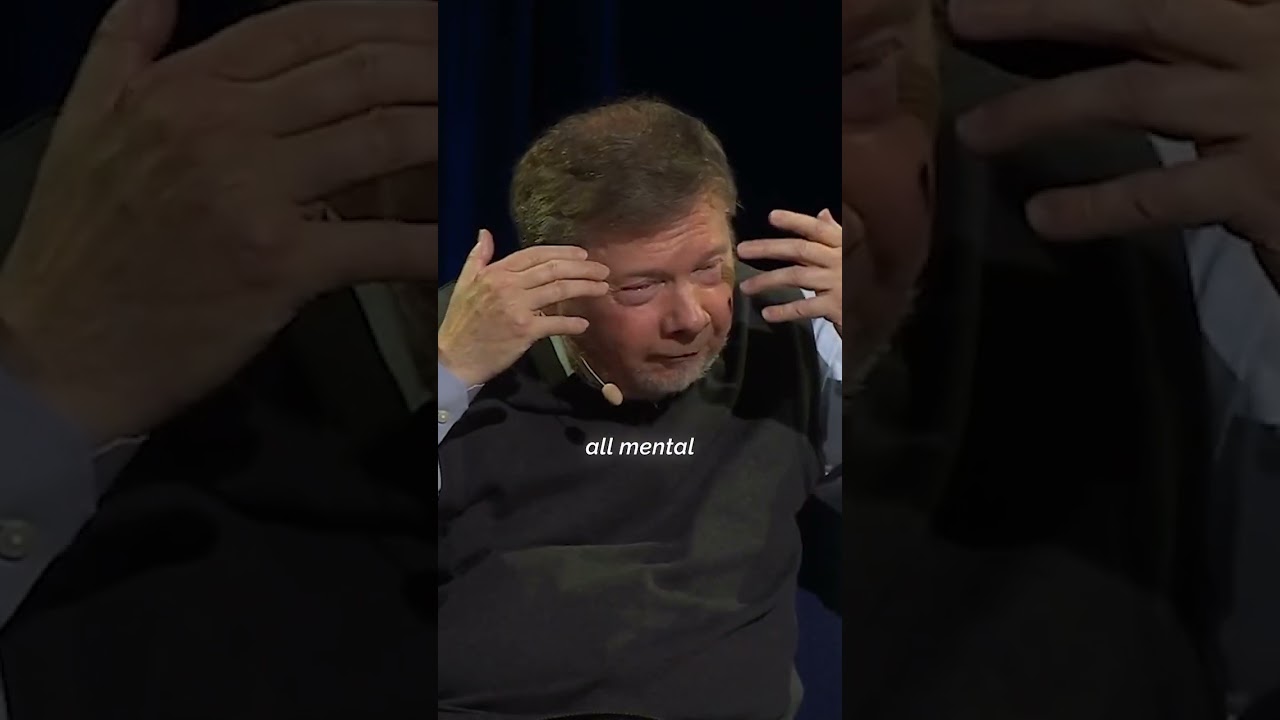
Stress arises not from circumstances themselves but from mental resistance to what is happening in the present moment. By redirecting attention away from rumination about the past or anxiety about the future, and instead anchoring awareness in what is occurring now, stress loses its grip. Challenges and difficulties become opportunities for transformation rather than sources of psychological overwhelm.
Where Does Stress Actually Come From?
Most people assume stress comes directly from external circumstances—a difficult deadline, relationship conflict, financial pressure, health concerns. But the teaching suggests something more precise: stress emerges from the mind's reaction to present reality, not from reality itself.
The psychological mechanism at work is straightforward. When you encounter a challenge, the mind typically responds in one of two ways: it either resists what is happening in the moment, wishing it were different, or it spins forward into imagined future scenarios where things get worse. A problem at work becomes a catastrophe in your mind. A health symptom becomes a terminal diagnosis. The gap between what is and what you fear could be creates the actual suffering.
This resistance and projection are not inevitable. They are habitual mental patterns that can be interrupted through conscious awareness. The present moment itself—stripped of the mind's narrative overlay—contains no stress. A difficult situation is simply a situation. The stress is entirely the product of your consciousness relating to it through fear, resistance, or rumination.
What Happens When You Focus on What Is Actually Happening Right Now?
When attention is brought fully into the present moment, several shifts occur simultaneously. First, the mind's narrative machinery quiets. You are no longer constructing stories about what the situation means, what you should have done differently, or what terrible outcomes might unfold. You are simply observing what is occurring.
In this state of presence, you gain access to clarity and resourcefulness that the anxious, future-focused mind cannot access. Without the mental noise of stress, you can perceive what is actually needed in a situation. You can respond intelligently rather than react from fear. A problem that seemed insurmountable when you were spiraling in anxiety becomes manageable when you attend to it with a calm, focused mind.
The present moment is also where your actual power lies. You cannot change the past, and the future has not yet arrived. Everything you can actually do—every action, choice, or response—happens now. By anchoring your awareness in the present, you align yourself with where life is actually occurring.
How Can Challenges Become Transformative Rather Than Overwhelming?
The teaching proposes a fundamental shift in how you relate to difficulty. Rather than seeing challenges as interruptions to your ease or as threats to your well-being, you can recognize them as the primary means through which consciousness evolves and deepens.
When you encounter stress without collapsing into resistance or reactivity, something alchemical happens. The difficulty itself becomes the teacher. It reveals where you are contracted, where you are attached to outcomes, where your sense of self is fragile or defended. By moving through the challenge with awareness rather than denial, you metabolize it. You emerge less reactive, more flexible, less identified with the thoughts and emotions that previously seemed to define you.
This does not mean stress ceases to exist; rather, your relationship to it transforms. What once seemed unbearable becomes workable. The energy you previously spent resisting a situation becomes available for creative response. Over time, this shift in relationship to difficulty produces genuine resilience—not the brittle determination to "push through," but a deeper capacity to remain calm and responsive in the face of whatever arises.
What Is the Practical First Step?
The entry point is simple but requires deliberate practice: notice when you are mentally absent from the present moment. Notice when your mind is rehashing the past or projecting into feared futures. This noticing itself is the beginning of change. You cannot change what you do not see.
When you catch yourself in stress, pause and ask: What is actually happening right now, in this moment? Not in your thoughts about what is happening, but in direct sensory reality. What do you see, hear, feel in your body? Can you rest your attention here, even briefly?
This simple redirection breaks the stress cycle. The mind may pull you back into its narratives, and that is normal. Each time you notice and gently return to the present, you are strengthening a new neural pathway, weakening an old one. The practice is not about achieving a permanent state of peace, but about developing the capacity to touch presence repeatedly throughout your day, especially when stress arises.
Where to Go From Here
To deepen this work, explore formal meditation or mindfulness practice, which trains the mind's capacity for sustained presence. Watch the longer version of this talk to hear further nuance and specific examples. Read teachings that explore the concept of "ego" or the "thinking mind" as distinct from awareness itself—understanding this distinction is crucial to recognizing where stress actually originates. Notice, in your own life, situations where you were fully present and compare the quality of your experience and your responses to moments when your mind was elsewhere. This direct observation is the most powerful teacher.