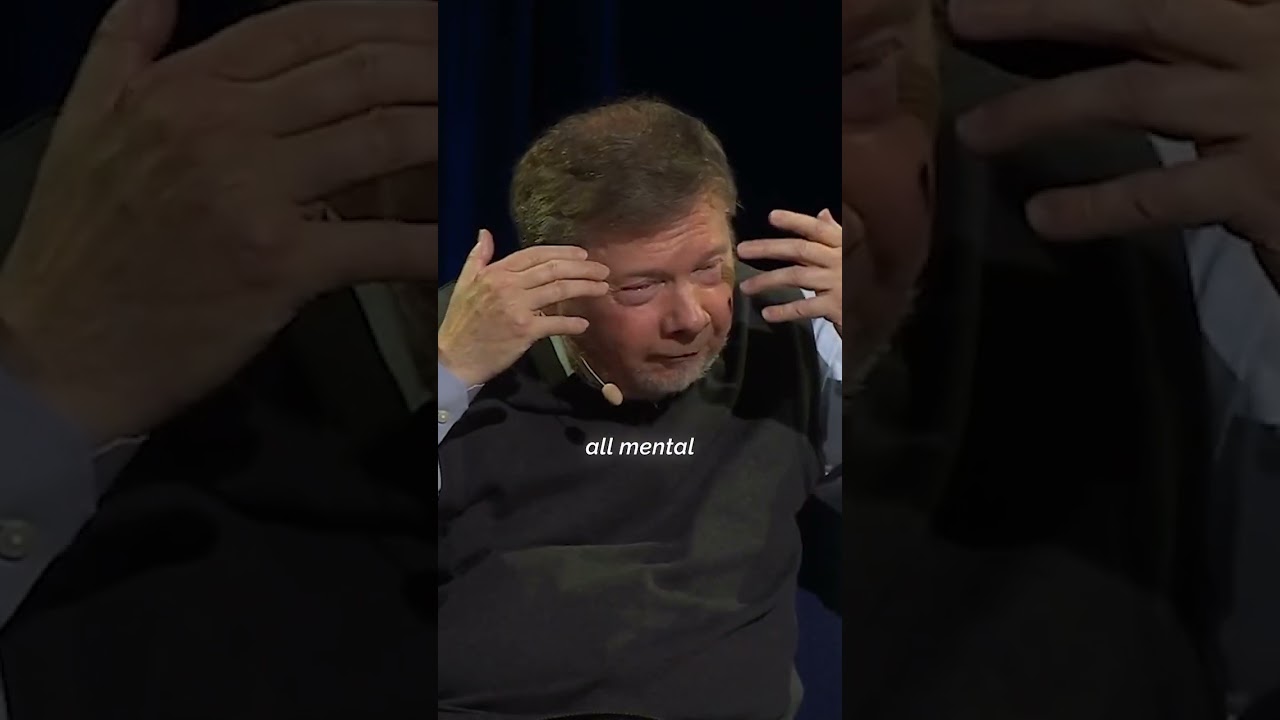
Emotional triggers are not random reactions—they are conditioned patterns stored in what spiritual teacher Eckhart Tolle calls the "pain-body," an energetic accumulation of unobserved past hurts. When triggered, this pain-body hijacks your nervous system and compels reactive behavior. The path to freedom lies in recognizing triggers as they arise, bringing conscious awareness to the pain-body without judgment, and allowing the light of Presence to gradually dissolve the emotional charge. This process transforms life's conflicts from sources of deepening suffering into training grounds for presence and freedom from conditioning.
What Is the Pain-Body and How Does It Create Emotional Triggers?
The pain-body, as Tolle describes it, is not a psychological construct but an actual energetic phenomenon—an accumulation of emotional pain that has never been fully felt or witnessed in the moment. When painful experiences occur and the mind resists, denies, or fails to fully process them, that emotional energy gets stored in the body's cellular memory. This stored pain then becomes an active force, seeking activation and expression.
Triggers are the environmental or interpersonal conditions that activate this dormant pain-body. A critical comment, a sense of rejection, a perceived slight, a moment of powerlessness—these external events don't create pain from nothing. Instead, they unlock pain that was already there, waiting. When the pain-body is activated, it seizes control of your thoughts, emotions, and behavior. You might find yourself arguing fiercely over something minor, or spiraling into disproportionate anger or sadness. In everyday language, this is what people call "blowing your top," "losing it," or "having a meltdown." From Tolle's perspective, what's actually happening is that the pain-body has taken over your consciousness.
How Do Unobserved Thoughts and Emotions Create a Vicious Cycle?
The pain-body thrives on a cycle of unconsciousness. When an emotion arises and you do not observe it—when you identify with it instead—that emotion feeds the pain-body and strengthens its grip. Tolle emphasizes that the key distinction is between having an emotion and being identified with that emotion. When you say "I am angry" rather than "I notice anger arising," you merge your consciousness with the emotion, and the emotion gains power.
Similarly, unobserved thoughts perpetuate the cycle. Painful thoughts arise—"They don't respect me," "I'm not good enough," "This always happens to me"—and if you accept these thoughts as truth without examining them, they reinforce the pain-body's narrative. The pain-body then generates more emotions that validate these thoughts, creating a self-reinforcing loop. Each cycle deepens the emotional charge and makes the pain-body more reactive.
Breaking this vicious cycle requires a fundamental shift: bringing consciousness to the pain-body rather than being controlled by it. This is not about suppressing the emotion or forcing positive thoughts. It is about witnessing what is happening with an attitude of acceptance and curiosity, without judgment.
Why Is Recognizing Your Triggers the First Key to Freedom?
You cannot heal what you do not see. Recognizing your triggers is the essential first step toward freedom because it creates a gap between the trigger and your automatic reaction. Without this recognition, you remain enslaved to the pain-body's programming. Every time the trigger appears, the pain-body activates, and you react from its energy rather than from your conscious presence.
To recognize your triggers, you need to pay attention to what consistently activates your emotional reactivity. What situations, words, or behaviors cause you to lose your equilibrium? When do you feel suddenly angry, defensive, or overwhelmed? These patterns often point to deeper wounds—experiences of rejection, humiliation, powerlessness, or loss—that remain unhealed.
Once you identify your triggers, you can begin to observe them with awareness. The next time a trigger occurs, rather than immediately reacting, you can pause and notice: "The pain-body is activating now. I see this pattern. I see the reaction." This simple act of witnessing shifts you from being unconscious and dominated by the pain-body to being present with it. Presence itself begins to dissolve the charge.
How Can Life's Challenges Become Training Ground for Presence?
Most people view emotional triggers and conflicts as obstacles to well-being—as problems to avoid. Tolle reframes this entirely. Each trigger, each conflict, each moment of reactivity is actually an opportunity to practice presence and to deepen your freedom from conditioning.
When you encounter a trigger and choose to respond with awareness rather than automatic reaction, you are literally rewiring your nervous system. You are creating new pathways. The pain-body loses energy when it is not fed by unconscious identification. Instead of viewing challenging relationships or difficult emotions as enemies, you can view them as your teachers, as invitations to become more present and more conscious.
This requires a significant mental shift—from "How do I avoid this trigger?" to "How can I meet this trigger with presence?" The second question transforms the entire situation. Conflicts that once seemed destructive become opportunities to practice staying conscious, to practice observing without identification, to practice compassion for both yourself and the other person who is likely also driven by their own pain-body.
Why Is Communicating While the Pain-Body Is Active So Dangerous?
One of Tolle's key warnings is this: communication that occurs while the pain-body is active almost always deepens conflict rather than resolves it. When the pain-body is driving your words, you are speaking from emotion, not from presence. Your tone carries aggression or defensiveness. Your words are shaped by the pain-body's narrative rather than by truth or compassion.
In relationships, this is particularly destructive. When your partner or family member is also in a pain-body state, you have two pain-bodies fighting each other. Neither person is actually present. Both are identified with their emotional reactivity. The result is escalation, misunderstanding, and deepening of the wound.
This does not mean you should never address conflicts. Rather, it means you should wait—wait until the acute activation has settled, until you can feel your presence returning, until you can speak from awareness rather than reactivity. This waiting itself is a spiritual practice. It requires discipline and trust that the issue won't disappear if you don't address it in the heat of the moment. Often, addressing it later, when both people are present, leads to genuine resolution rather than repetition of the same painful cycle.
How Does Awareness Dissolve the Pain-Body?
Tolle's central insight is that awareness itself is healing. The pain-body cannot survive the light of consciousness. When you observe the pain-body—its sensations, its emotions, its stories—without trying to change it, without judgment, without identification, something shifts. The energy begins to dissolve.
This is not a magical process but a natural one. The pain-body thrives in darkness, in unconsciousness, in the spaces where it is never fully felt or acknowledged. When you bring the light of presence—when you turn your attention toward the pain-body with acceptance—you are fundamentally changing the conditions it needs to maintain its grip.
The practice is simple in principle but challenging in execution. When you feel emotional pain arising, instead of acting it out or suppressing it, you feel it. You notice where it lives in your body. You observe the thoughts it generates. You watch it without pushing it away and without being swept away by it. This is what Tolle calls the "observer" state—consciousness observing itself.
As you practice this repeatedly, something remarkable happens. The pain-body activations become shorter, less intense, less frequent. The charge they carry begins to dissipate. Over time, situations that once triggered you no longer do. This is not because the trigger has disappeared but because the pain-body that was being activated by the trigger has been substantially healed through repeated witnessing.
Where to Go From Here
The path forward involves three interconnected practices: First, develop the habit of noticing your pain-body activations as they occur. Pay attention to your emotional reactivity as data, not as judgment. Where does it come from? What situations activate it most? Second, practice the observer state—the ability to feel what is happening without being identified with it. Notice emotions, thoughts, and sensations as they arise, without the story "this is who I am." Third, use conflicts and challenges as training grounds rather than problems to avoid. Each trigger is an invitation to practice presence and freedom.
The ultimate goal is not to live without emotions or challenges but to live in conscious response to them rather than unconscious reaction. This is freedom from conditioning—not the absence of the pain-body but the end of being controlled by it. As you develop this capacity for presence, your relationships improve, your well-being deepens, and your life becomes an expression of consciousness rather than a repetition of programmed patterns.