Avalon, a longtime meditation seeker, experienced a breakthrough in deep meditative states after more than 30 years of spiritual searching. Through guided Oneness practices at the Global Summit, she accessed a profound state of inner peace she believed was no longer possible for her. Her story illustrates how structured meditative wisdom, particularly when guided by experienced teachers within the Oneness tradition, can dissolve chronic stress and restore access to states of consciousness that may feel distant or lost over time.
What Happens When Meditation Goes Dormant for Decades?
Many long-term spiritual seekers experience a pattern: initial access to meditative states, followed by years of searching without breakthrough. Avalon's 30-year gap suggests a common challenge in contemplative practice—the plateauing or loss of access to deeper states, even for sincere practitioners. This is not failure; rather, it reflects how meditation can become mechanical or how life circumstances can obstruct the conditions necessary for genuine inner work.
The significance of her rediscovery is not simply that she meditated again, but that she accessed a quality of meditative absorption—a "deep meditative state"—that had eluded her for three decades. This distinction matters: sitting in formal practice is one thing; genuinely opening into states of absorption and peace is another. Her experience suggests that the capacity for these states remains dormant rather than permanently lost, waiting for the right conditions and guidance.
How Does Guided Wisdom Differ From Solo Meditation Practice?
Avalon's breakthrough came specifically through "guided" meditative practice within the Oneness framework. This points to a crucial principle in contemplative traditions: the difference between individual effort and transmission through a teaching lineage. When a student practices alone, they rely on their own understanding, conditioning, and momentum. Guided practice—especially within a structured tradition—introduces an external intelligence that can help dissolve the mental and emotional patterns that block access to deeper states.
The Oneness movement emphasizes that peace is not primarily achieved through individual will or technique alone, but through alignment with a field of consciousness transmitted by awakened teachers. In this understanding, guidance works at a level beyond instruction; it creates conditions for the nervous system and consciousness itself to shift. Avalon's experience appears to validate this: something shifted when she stepped into a guided container rather than continuing isolated seeking.
What Role Does a Summit Container Play in Breakthrough?
Avalon's opening occurred at the Global Summit, not during home practice. This suggests that the collective container—the gathering of many practitioners, the focused energy, the concentrated time, and the presence of experienced guides—created unique conditions for her breakthrough. In contemplative traditions, the power of satsang (the gathering of seekers) is well-documented: the combined intentionality of a group can amplify what's possible for individuals within it.
A summit structure also removes normal life distractions and pressures, allowing participants to go deeper into inner work. For someone who has searched for 30 years, the permission to release seeking itself and simply be guided may have been the missing ingredient. The intensity and focus of a multi-day immersion can catalyze shifts that diffuse daily practice cannot.
Can Stress Accumulated Over Decades Be Dissolved Quickly?
Avalon's story suggests an affirmative answer, at least in part. Chronic stress and tension held in the nervous system can be released when consciousness itself shifts. Rather than approaching stress as something to be processed gradually through talk therapy or technique, the Oneness approach suggests that deep inner calm—genuine peace at the source—naturally dissolves the contracted patterns that generate stress.
This is a radical claim: that lasting peace is not built gradually through effort, but accessed through a shift in awareness. Avalon's 30-year search ending in sudden depth indicates that the capacity for peace was not actually absent; it had been obscured by the very seeking that tried to reach it. When seeking gave way to receptive guidance, the peace that was always present became accessible again.
What Does "Awakening Peace" Actually Mean in Practice?
Peace in the Oneness understanding is not numbness or dissociation from life. It is an awakened state of inner calm that coexists with full engagement. Avalon's rediscovery of deep meditation suggests a restoration of baseline consciousness—a return to an operating frequency where stress and reactivity are naturally metabolized rather than accumulated. From this state, life's challenges are met with presence rather than contraction.
The language of "awakening" peace implies that this quality is inherent, not constructed. Unlike relaxation techniques that create temporary relief, awakening points to a fundamental shift in how consciousness registers reality. When peace awakens, the nervous system recalibrates; threat detection quiets; and the person experiences greater resilience in the face of ordinary life.
Why Might Someone Lose Access to Meditative States?
While the video does not explicitly explain Avalon's 30-year gap, several factors common in spiritual practice may apply. First, meditation practice can become routine and technique-based, losing the quality of genuine openness. Second, life responsibilities, trauma, or unresolved psychological material can contract access. Third, a subtle form of spiritual seeking—where the meditator is grasping for experience—can paradoxically prevent the receptivity that allows deep states to arise. Finally, without regular guidance or community support, practice can drift into ineffectiveness.
Avalon's breakthrough after three decades of dormancy suggests that presence and proper guidance were the missing elements. When she received direct instruction within a conscious container, the conditions for natural opening returned.
What Makes the Oneness Approach to Peace Distinctive?
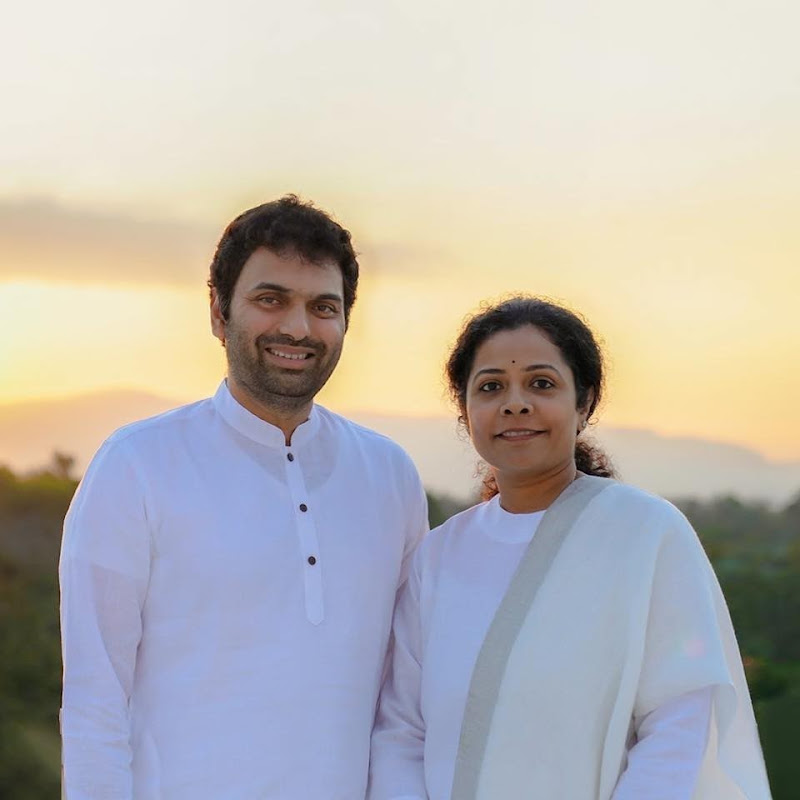
The Oneness movement, founded by Sri Amma Bhagavan and taught by Sri Preethaji and Sri Krishnaji, emphasizes that awakening is not an individual achievement but a grace that is transmitted through the teaching lineage. Rather than positioning meditation as a self-improvement tool or stress-reduction technique, Oneness frames it as a direct shift in perception and consciousness—a fundamental recalibration of how the being experiences reality.
In this framework, peace is not a pleasant side effect of practice; it is the natural state that emerges when the mind's obsessive loops and the nervous system's defensive contractions are resolved at their root. Avalon's experience aligns with this: she did not achieve peace through effort; she opened to it through guidance. Her mind and body released their decades-long grip, and what remained was the peace that had never actually left.
Where to Go From Here
Avalon's story offers several implications for anyone seeking genuine peace. First, if you have lost access to deeper meditative states or never found them despite years of practice, dormancy is not permanent. The capacity remains; what may be needed is a shift in approach—from striving to receptivity, from isolation to guided community, from technique to transmission. Second, a structured container with experienced guidance can catalyze breakthroughs that solo practice may not achieve. Third, peace is accessible, not as a distant goal but as an awakening of what already is. If you resonate with this possibility, exploring teachings and practices within conscious lineages—particularly those emphasizing direct transmission—may reveal what is waiting to be rediscovered within you.